
Dolby Atmos: The Future of Sound?
Dolby Atmos. 3D sound. Immersive audio. Spatial audio. What’s the difference? What even is it? Is it here to stay or will it join Blu-ray, 3D televisions and the MiniDisk at the back of your parents’ wardrobe as the naysayers would have you believe?
The evolution of ‘surround sound’, Dolby Atmos made its debut in movie theatres in 2012 so it’s been around a hot minute. With consumer tech giants Apple jumping on board (and industry sources say: biasing playlists in favor of artists who can deliver ‘the asset’) now anybody with a smartphone can possess their own immersive audio system - with compatible headphones of course (and naturally Apple have designed their own, along with their own version of the 3D audio technology! More on that later.) They weren’t the first however, Chinese tech giant Lenovo launched the A7000 as early as 2015, an android device hailed as the first ‘mass market smartphone’ with Dolby Atmos tech.
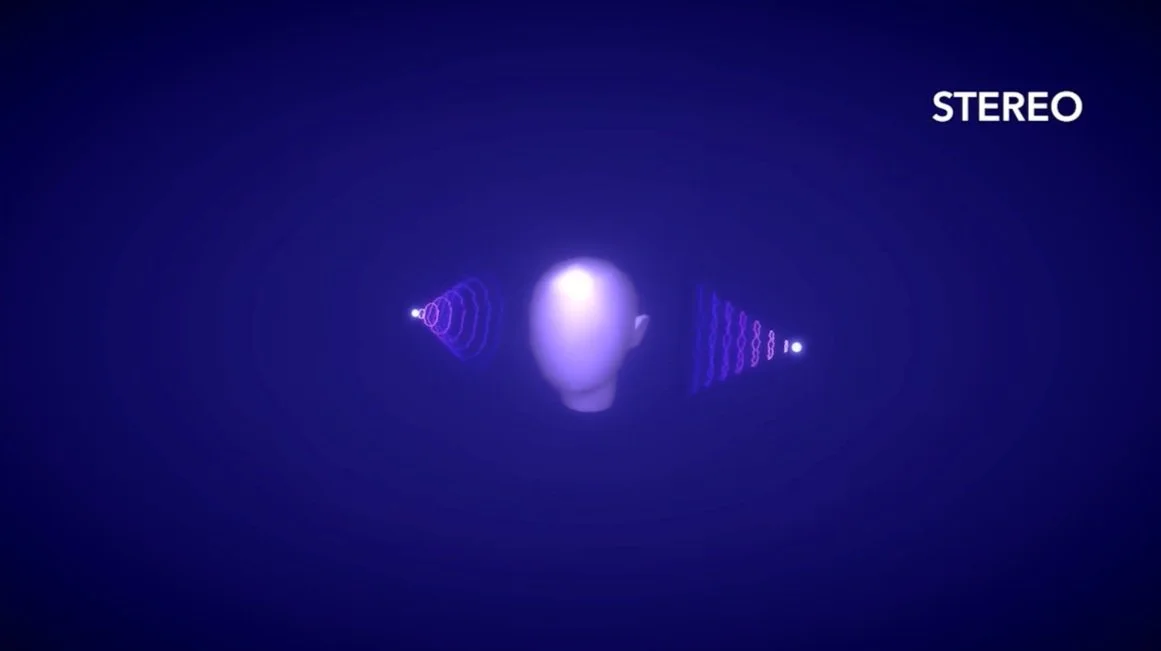
So – what’s the difference? Turns out they’re all just different names (some brands) for the same basic concept - that is ‘360 audio’. While Stereo (2.0 systems - the ‘2’ referring to the number of channels and subsequently the number of speakers you need to play back those channels) deals with the ‘front wall’ – creating the experience of sound having height, depth and width – the current industry standard being pretty amazeballs with regards to how well the pros are ‘pushing in’ to the stereo image (check out Kanye West’s Black Skinhead and Skrillex’s Quest for Fire album for examples of Stereo mixes that achieve
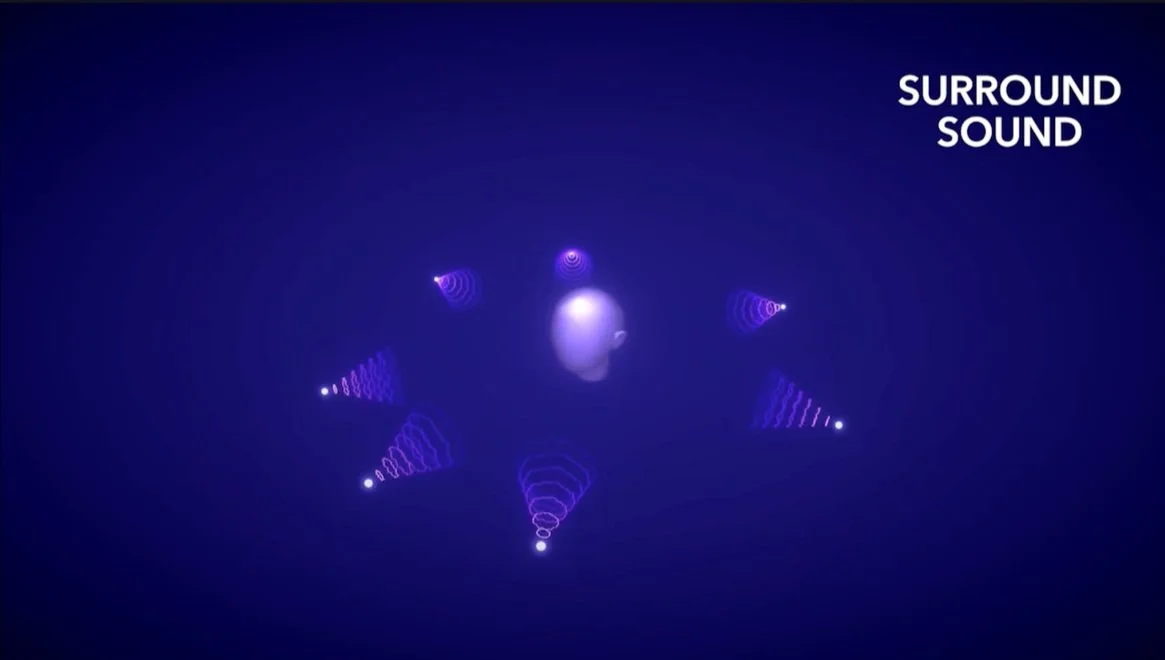
incredible spatial depth and a massive stereo image) – the bare minimum requirements for Dolby Atmos systems start at 5.1.2. That’s 5 speakers in the horizontal including two in the rear - creating your classic 5.1 surround sound setup (‘.1’ being the sub), plus 2 on the ceiling - taking us to new heights? (Pun fun.) And with the industry standard for music actually landing at 7.1.4 and up, the revolution comes with a pretty hefty price tag.
So assuming you’re not a professional audio engineer or a multi-millionaire play boy with a cinema in your man cave, what’s this got to do with you? Here’s where the magic happens. Enter: Dolby Atmos Binaural. Some Elon Musk-level genius (possibly a team of them) created some pretty nifty software that decodes and recodes multi-channel audio between true Atmos systems and stereo systems, infinitely and seamlessly from the one file, depending on the playback device you’re listening to. You don’t even need to make the decision. If you have a Dolby Atmos enabled device and headphones, you’re just gunna get Atmossed (I’m coining that phrase – you heard it here first.) Have you been Atmossed?
To fully grasp the magic of this you first need to consider that when listening to a studio stereo mix on headphones, you are listening to the same 2 channels of audio – headphones of course just being a tiny pair of stereo speakers brought closer to your ears! If you have 7.1.4 channels of audio, and you can send a different sound to each one of those speakers, how do your headphones play back those 12 channels of audio – how is it physically possible? How can a mix completed on a 7.1.4 system translate not just well, but
sound the same in your headphones? I can’t tell you how, only wizards and the geniuses at Dolby know that, but I can tell you – having had the opportunity to listen to Dolby Atmos both in Binaural render form, on Apple’s AirPods Max, and at two different Atmos studios in Sydney, including Forbes Street Studios’ Dolby-approved 9.1.4 system - it works.
And here’s the best part – the 2 channel render that shows up in your headphones retains the spherical quality of Atmos, and the incredible software that does some freaky mojo with your psychoacoustics gives you the experience of listening in 360º - that is hearing sounds placed all around you, above you, below you, behind you (inside you?). If you haven’t yet heard Alicia Keys voice emanating from the centre of your head, or experienced being inside Chaka Khan and Rufus’ Ain’t Nobody (Live) like you’re floating in a warm bubble of pure divine energy, you have something to look forward to. Should you be excited? Yes. It is an absolute treat. Just as vinyl is enjoying a resurgence as people crave a more visceral music experience than Mp3 can provide, Dolby Atmos is breathing new life into classic tracks and delivering a whole new dimension to the experience and enjoyment of music, to even the most music-fatigued and jaded among us (audio engineers, unite!).
With Dolby Atmos car systems on the rise, and the ability to retrofit existing systems with the technology, and words like ‘spatial audio’ popping up all over your favourite Disney+ shows (yes, I have watched The Mandalorian with the AirPods Max), it’s no longer a question of ‘if’ but ‘when’. It will be less of a conscious choice to switch to Atmos, and more of a cultural shift as old tech is phased out and replaced by Atmos-enabled new tech. I doubt anyone consulted you about the shift from mono to stereo either! Or land-line to mobile for that matter, it simply happened, driven by the desire to get out of the hallway and into your bedroom where you could have private conversations without your pesky sibling listening in on the lounge-phone.

And this brings us to Apple, who not only possess the second largest slice of the global smartphone market-pie (beaten by Samsung on shipments in the first quarter of 2023 - finally putting an end to the old Apple or Android debate (sorry not sorry, Apple fiends)) but who are also rather uniquely the second largest global music streaming service, beaten only by Spotify (who have their own Dolby Atmos studio! Make of that what you will.) Now call me a conspiracy theorist - Apple control the second largest share of both the greatest consumer tech market to have ever been created – the seemingly humble mobile phone that rules each of our lives, and the global music streaming market, that through the questionable use of A.I and algorithms controls which of the 60,000 daily music releases you are exposed to (take a moment to contemplate how you discover new music – do new releases simply appear to you? What happened the other 59,950 songs you didn’t ‘discover’ on any given day?) and here you have the perfect storm – they drive the demand for the music with the tech, and they drive the demand for the tech with the music. What came first – the chicken or the egg? Clearly in this case Dolby Atmos came first, and then Apple added head-tracking, created their own codec, and with the might of pop-culture consumerism behind them they’re leading the charge on the swiftest shift in audio tech standards the world has ever seen (Espa and I are dizzy from the whirlwind – we need a lie down!)

Now don’t get me wrong – I love Atmos, and having witnessed first-hand the complexity of the mixing process and the technical demands on the engineer (a huge congratulations to Espa who recently obtained his Atmos certification from Dolby with a whopping 94% pass mark!), Atmos provides at least a momentary win for qualified, experienced, genuine engineers whose livelihoods have been decimated by the rise of A.I. and the ‘pre-set engineer’ in recent years.
So do I want Atmos to stay? Yes. Am I biased? Yes. Is what I think in any way, shape, or form going to affect what global tech giants do from here on out? No.
And, dear reader, you should know that I resisted the smart phone until iPhone 4 – I was still navigating London with an A-Z (that’s a book of maps made out of paper, for the young’uns) and getting thumb-strain texting on a phone with buttons, so suffice to say if I think it’s happening, it’s probably already happened.
WRITTEN BY JOANNA TURNER